-


SPEED
EASY NAVIGATION
QUICK RESPONSES
DIRECT SHIPMENTS
GLOBAL SUPPORT-

-
EXCELLENCE
QUALITY SUPPLIERS
PROMPT SERVICE
SATISFACTION IS
#1 PRIORITY -

-
ECONOMICS
LOWEST PRICES
FREE FREIGHT
QUICK DELIVERIES -

-
KNOWLEDGE
FACTORY TRAINED
OTJ EXPERIENCE
ENGINEERING SUPPORT
Filter Bag Information
Explanation of Filter Bag Sizes, Efficiency, and Sealing Terminology
The size and type of filter bag determine the design of the corresponding bag filter vessel—specifically how it interfaces/seals with the vessel and the number of chambers required to handle your flow rate.
Filter Bag Sizes and Capacities
The most common filter bag sizes are generically referred to as #1, #2, #3, or #4. Their dimensions and maximum water-like fluid capacities for nominally rated bags are shown in the table below.
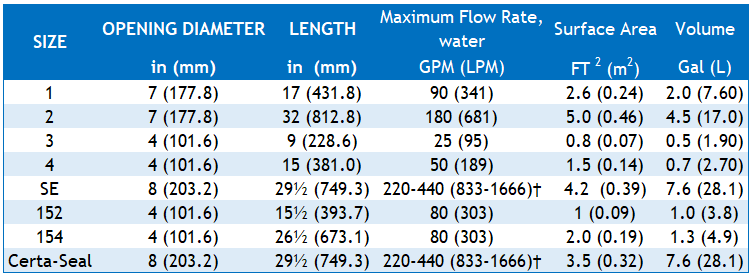
†Capacity depends upon the vessel inlet size and the maximum recommended flow velocity of 12 FPS.
In addition to these industry standards, we offer brand-specific designs such as Ronningen-Petter Certa-Seal and SE series, as well as 152 and 154 series filter bags. Maximum capacity is always subject to the retention level of the bag and maintaining an inlet velocity ≤12 FPS.
Retention and Efficiency
Retention is expressed in microns (μm); divide by 1000 to convert to millimeters (mm).

Filter Bag Seals
Proper sealing prevents bypass, ensuring all fluid passes through the media.


Restrainer Baskets

Filtering something other than water-like liquids? We can calculate the clean differential pressure for different viscosities to help you choose the right bag and housing size. Call 908.362.9981 or use our inquiry forms for expert support.